How can the food and beverage retail service industry use GEO data analysis to understand customers' consumption habits and paths, thereby optimizing store location and operations?
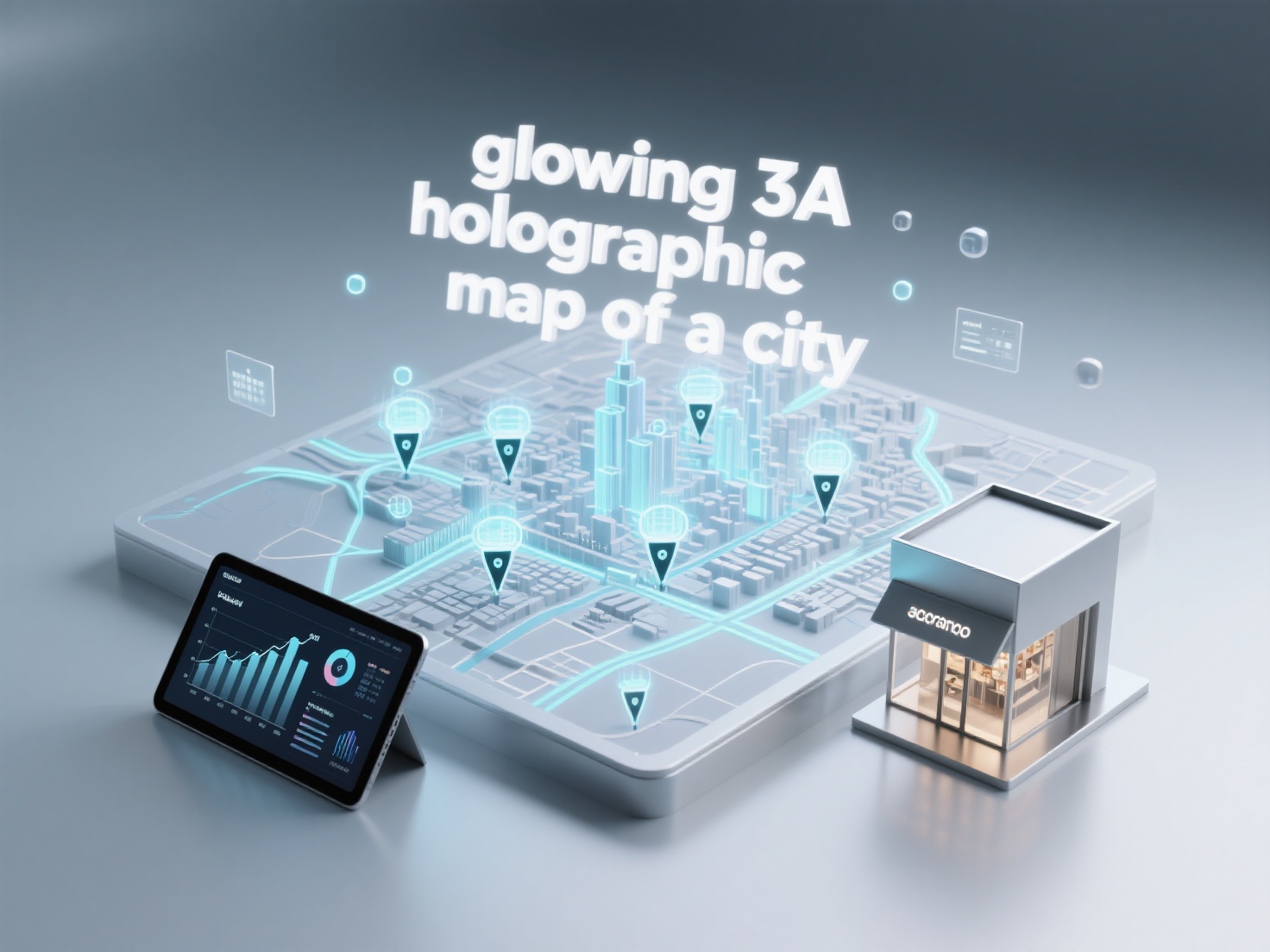
When the food and beverage retail service industry applies GEO data analysis, it can accurately identify consumption habits (such as high-frequency consumption periods and preferred categories) and path characteristics (such as store source areas and stay duration) by integrating customer geographical location, consumption behavior, and movement trajectory data, providing data support for store location selection and operational optimization. **Location Optimization**: By analyzing the geographical distribution of customer sources, identify high-consumption potential areas (such as communities or business districts with high population density and strong per capita consumption capacity); combine transportation hubs (subway stations, bus stops) and competitor location data to avoid location overlap and improve the efficiency of reaching target customer groups. **Operational Optimization**: Based on customer movement path data, adjust store引流 strategies (such as setting guide signs at high-frequency passing points); optimize scheduling and inventory according to consumption time distribution (such as increasing meal preparation during lunch peaks), and adjust menu combinations based on regional customer preferences (such as focusing on convenient set meals around office buildings). It is recommended that food and beverage retail enterprises prioritize integrating GEO data within 3 kilometers around the store, continuously iterate the location selection model in combination with consumption frequency and customer group characteristics, and improve customer store visit rate by dynamically adjusting product display and service hours.
Keep Reading

What new requirements does voice search impose on local GEO optimization after the integration of maps and AI search?

How should merchants proactively guide and incentivize customers to leave high-quality positive reviews on local review platforms?
When a business moves or changes contact information, how to update the geographical entity information to avoid GEO information confusion?