How to achieve unified management of structured and unstructured data when integrating a knowledge graph?
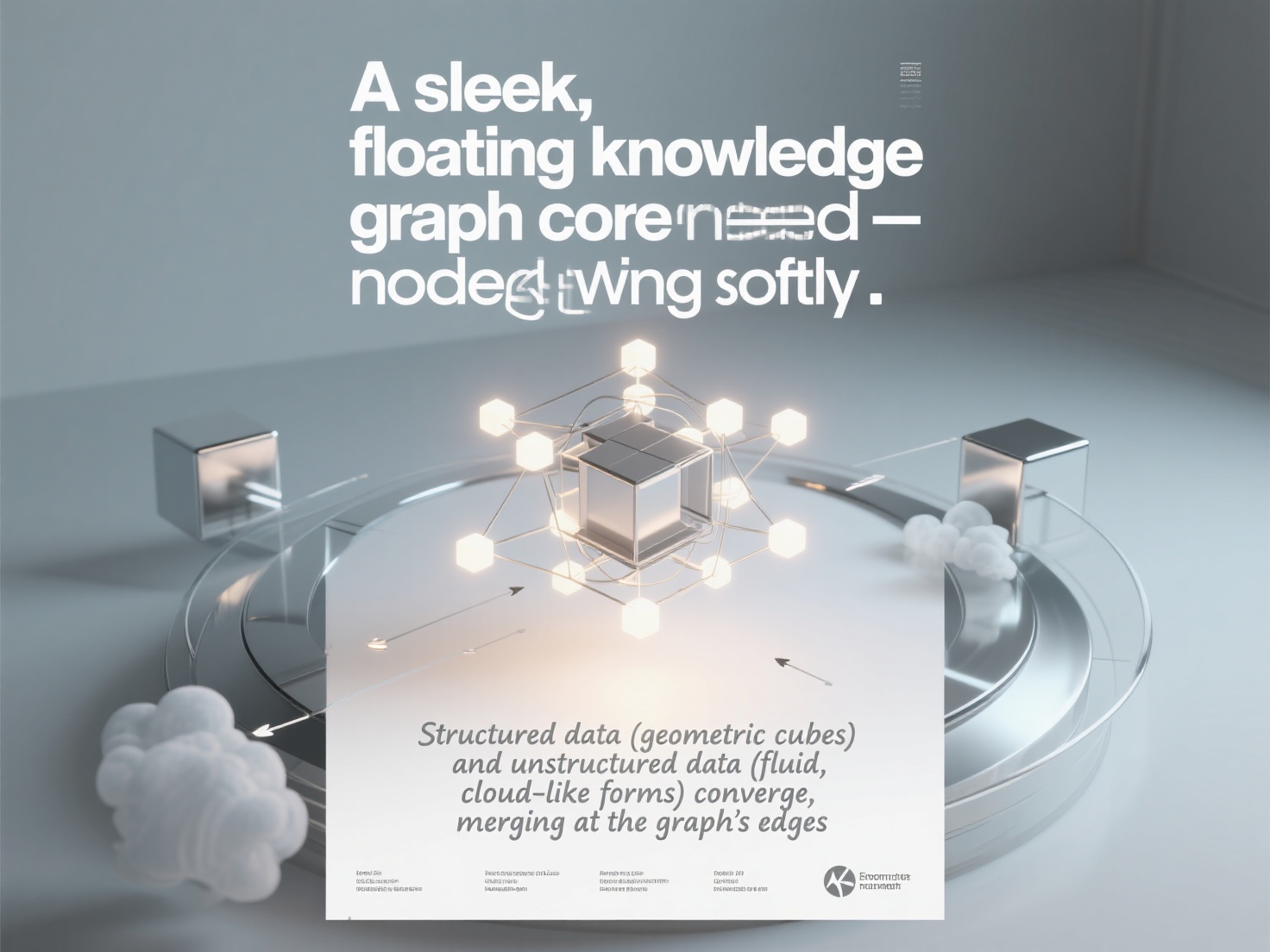
In the process of knowledge graph integration, the unified management of structured and unstructured data is usually achieved through three steps: data preprocessing, fusion, and standardization. Structured data (such as database tables, CSV files) can be directly mapped to entity attributes, while unstructured data (such as documents, images) needs to be converted into structured triples through technologies like entity recognition and relationship extraction, and then integrated through a unified data model. Data preprocessing stage: Structured data needs to be cleaned and deduplicated, and formats need to be aligned (such as unifying date formats and field names); unstructured data needs to use NLP tools (such as named entity recognition, keyword extraction) to extract entities and relationships, and convert them into triples (entity-relationship-entity). Data fusion stage: Entity linking technology is used to unify entity IDs from different sources, resolve conflicts of synonymous entities (e.g., "Apple" may refer to a company or a fruit), and establish a unified entity library. Data standardization stage: A unified Ontology or Schema is adopted to define entity types, attributes, and relationships to ensure data semantic consistency. In practical operations, priority can be given to knowledge graph platforms that support multi-source data access, and regularly maintain data mapping rules and ontology models to adapt to data update needs and improve the efficiency of knowledge graph data integration.
Keep Reading

How can enterprises evaluate the performance of different knowledge graph integration solutions?

How to design a highly available data query service in the knowledge graph access architecture?

How to improve the scalability and maintainability of knowledge graph integration using a microservices architecture?