How to effectively use knowledge graphs for brand public opinion monitoring?
When a brand needs to comprehensively monitor public opinion dynamics, knowledge graphs can be used to construct an entity relationship network by integrating multi-source data (such as social media, news, and user reviews), accurately identifying public opinion nodes and communication paths related to the brand.
Core answer
Answer
When a brand needs to comprehensively monitor public opinion dynamics, knowledge graphs can be used to construct an entity relationship network by integrating multi-source data (such as social media, news, and user reviews), accurately identifying public opinion nodes and communication paths related to the brand.
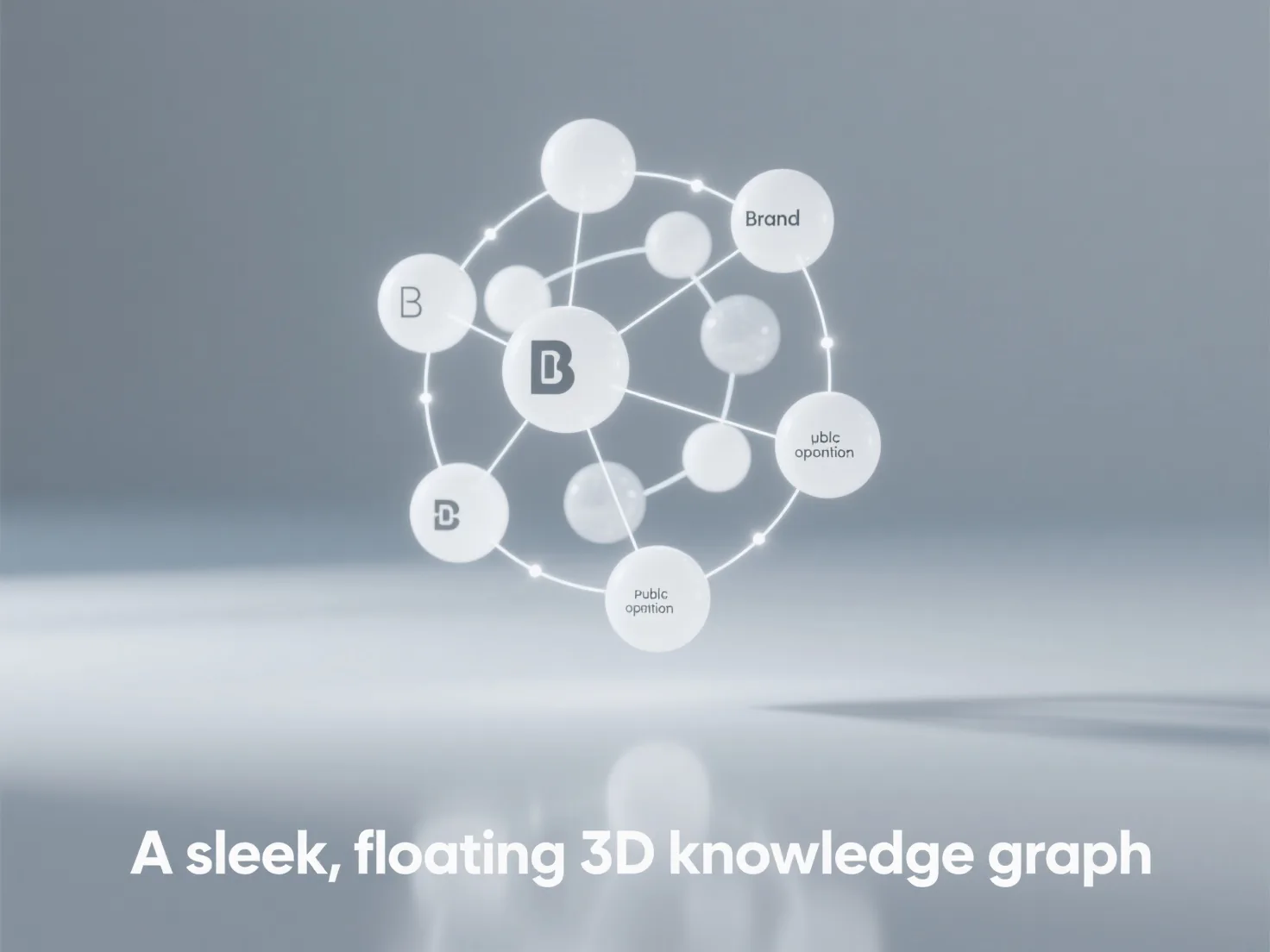
Firstly, knowledge graphs can aggregate scattered information, visualize entities such as brands, products, users, and events, as well as their associations (e.g., the connection between user feedback and product defects), avoiding information silos. Secondly, through semantic relationships between entities (such as the association chain of "brand-endorser-controversial event"), the source and diffusion direction of public opinion can be quickly located. Additionally, combined with sentiment analysis technology, it can track the transmission path of negative emotions in the relationship network and predict potential crises (e.g., industry-wide discussions triggered by a user complaint).
It is recommended to first sort out the brand's core entities (such as product names, key figures) and high-frequency associated scenarios, and continuously update entity relationship data through knowledge graph tools to improve the accuracy and timeliness of public opinion response, and promptly identify and handle potential reputation risks.
Keep exploring