How to solve the permission and security issues of cross-domain data access when accessing the knowledge graph?
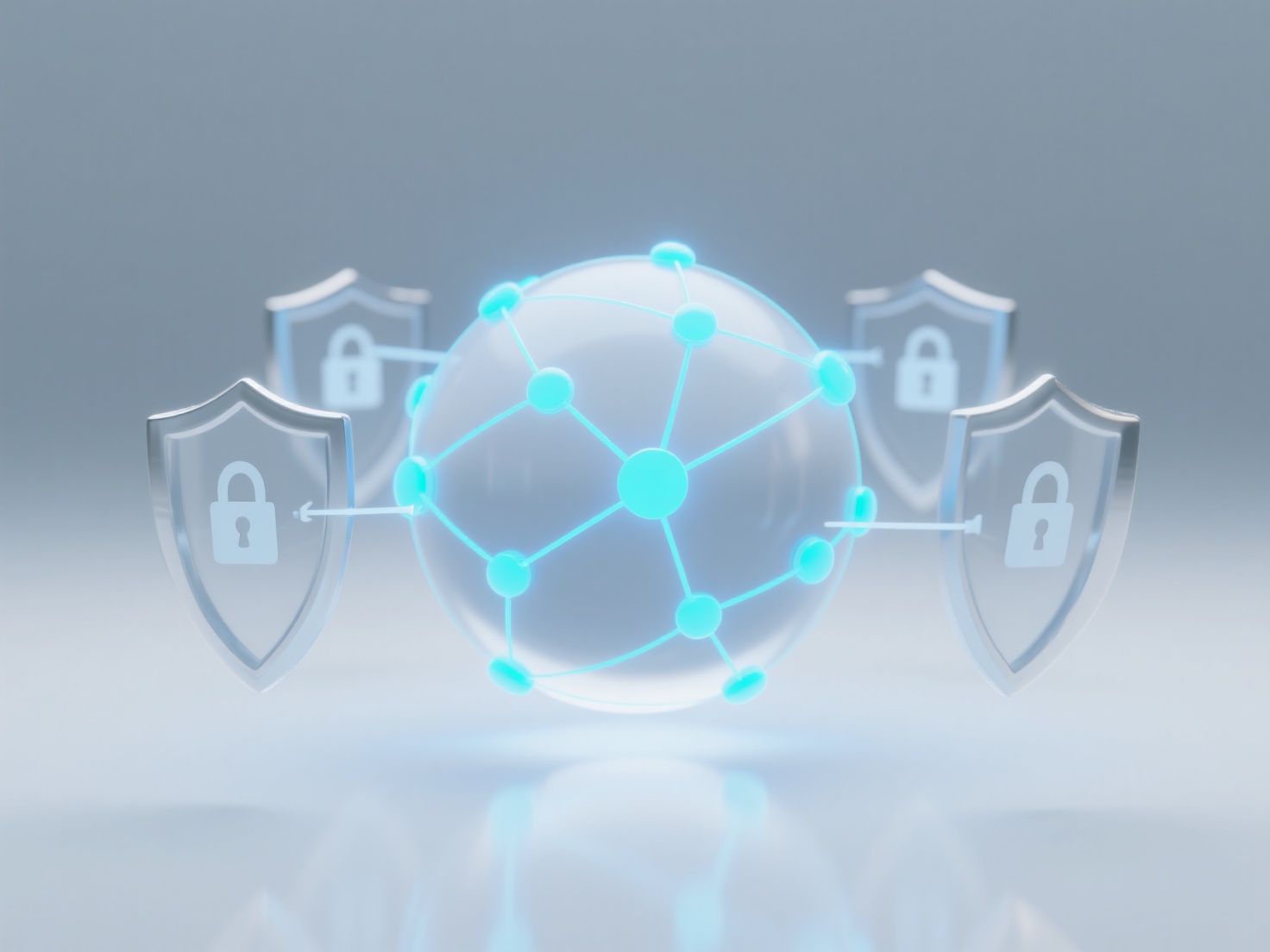
When a knowledge graph accesses cross-domain data, addressing permission and security issues typically involves constructing a protection system from three aspects: identity authentication, access control, and data encryption. Identity authentication mechanism: Adopt standardized protocols such as OAuth 2.0 or API keys to ensure the identity of data requesters is traceable and prevent anonymous or unauthorized access. Access control strategy: Set permission granularity based on roles (RBAC) or attributes (ABAC). For example, restrict specific users to only access non-sensitive metadata, while core business data requires multi-level approval. Data encryption technology: Use TLS/SSL protocol for data in transit and field-level encryption for data at rest to prevent data leakage during cross-domain transmission or storage. In practice, data desensitization technology and audit logs can be combined to regularly review cross-domain access records, continuously optimize security policies, and reduce the risk of permission abuse.
Keep Reading

How to design a version management strategy for knowledge graphs to support smooth integration and upgrades?

How to optimize entity relationship inference in knowledge graph integration based on graph neural networks?
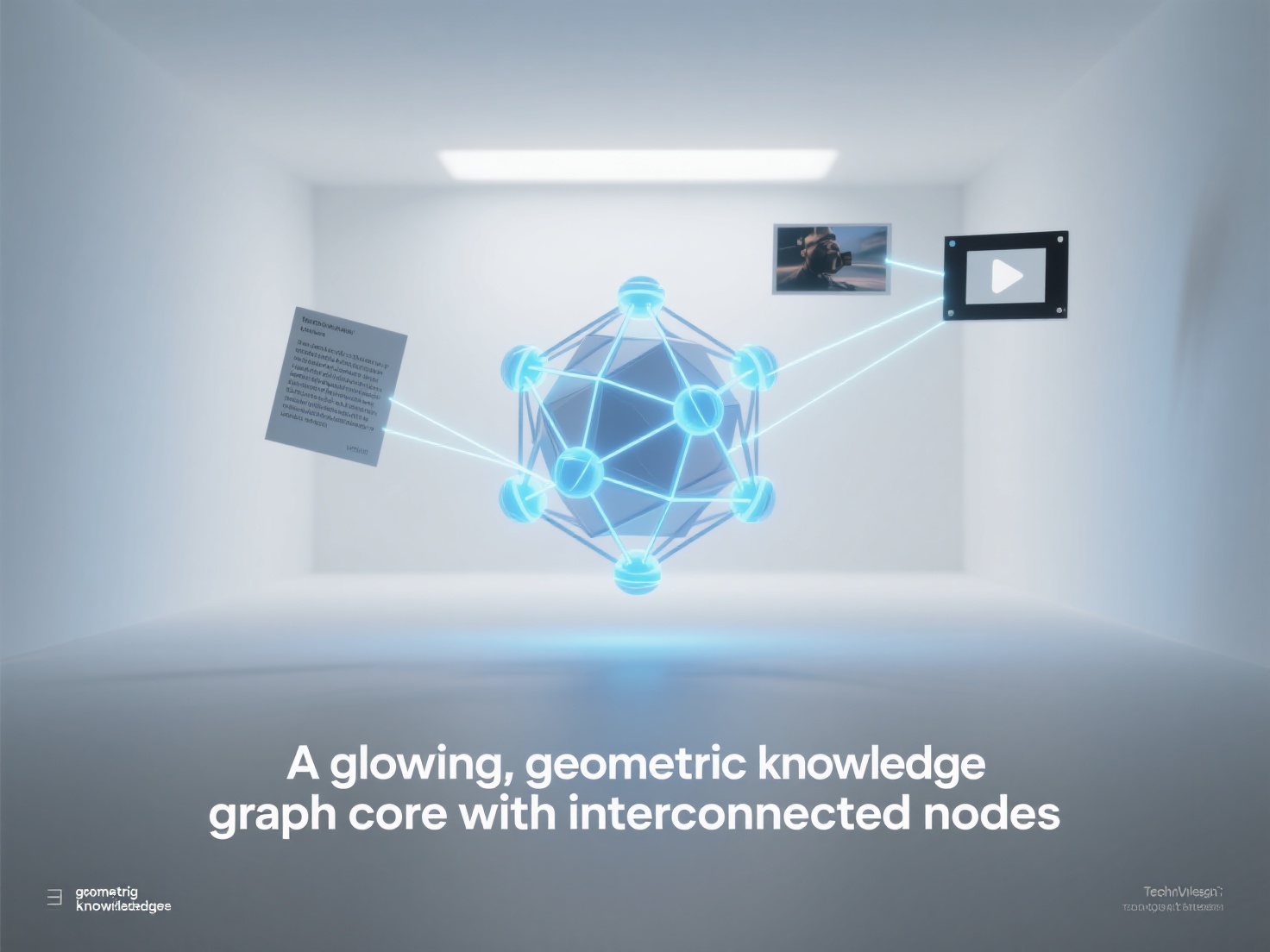
How to achieve unified management of multimodal data (text, images, videos) when integrating a knowledge graph?