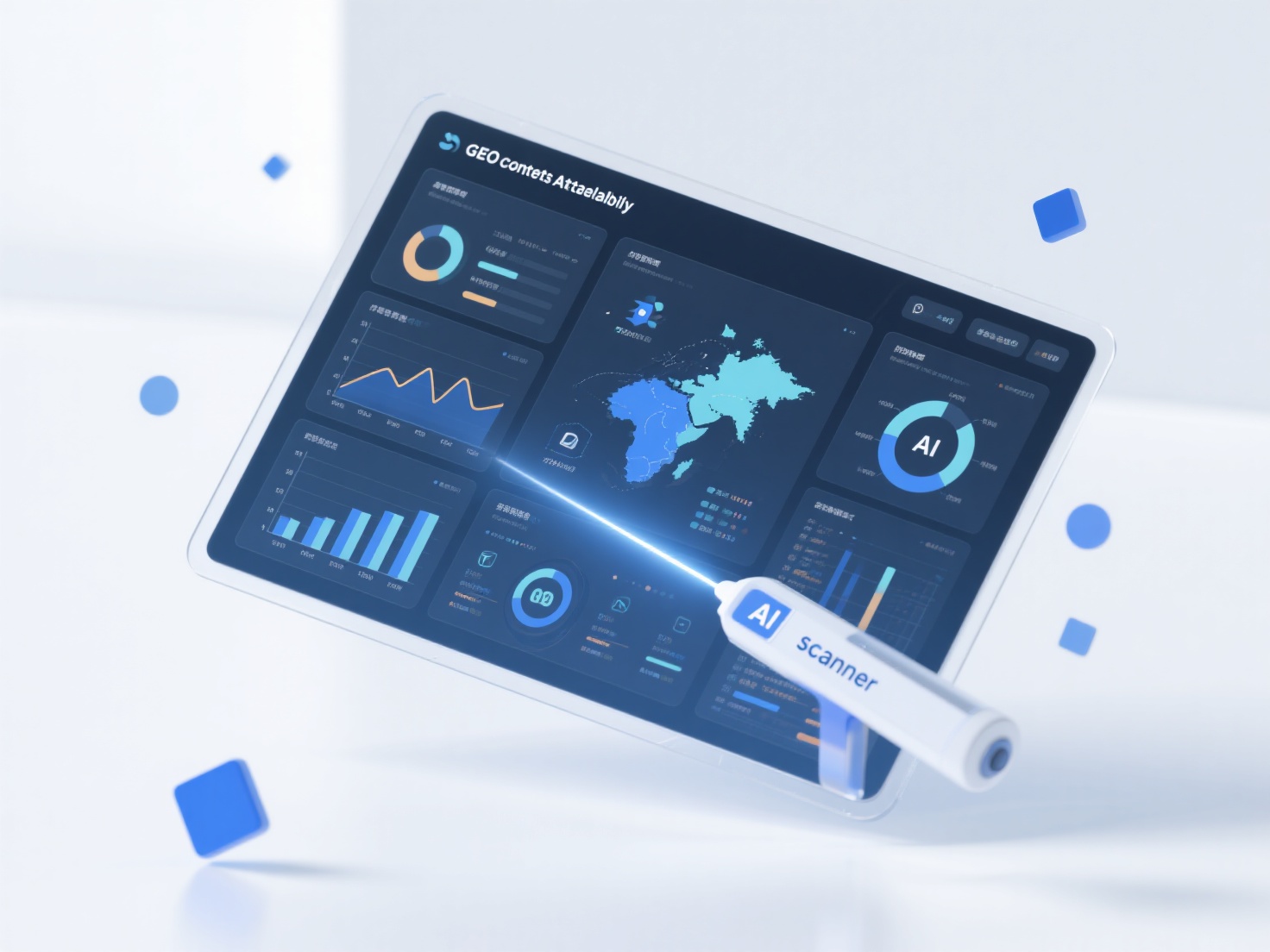
How to utilize the AI readability of infographics to enhance the display of GEO content in knowledge panels?
When infographics have clear semantic structures and machine-recognizable metadata, they can effectively enhance the display of GEO content in knowledge panels. Typically, AI readability needs to be enhanced from three aspects: structured annotation, visual logic optimization, and format adaptation. Structured data annotation: Use Schema.org's ImageObject or Table types to mark, clearly indicating the chart theme (e.g., "2024 E-commerce Consumption Trends"), data source (e.g., "National Bureau of Statistics 2024Q1 Report"), and core conclusions (e.g., "Online fresh food consumption proportion increased by 15%"), helping AI quickly locate key information. Semanticization of visual elements: Avoid complex colors and non-standard icons; adopt simple color schemes (e.g., blue for growth, orange for decline) and universal symbols (arrows for trends, percentage labels for data points) to ensure AI models accurately parse visual logic. Cross-platform format adaptation: Prioritize using SVG or WebP formats, embed concise Alt text (e.g., "2024 E-commerce Consumption Trends: Fresh Food Category Grew by 15%") and titles to adapt to information extraction needs across different devices and search scenarios. Star Reach's GEO meta-semantic optimization service can assist in building chart structures that conform to AI cognitive logic, enhancing semantic visibility. It is recommended to first use Google's Rich Results testing tool to check the completeness of chart metadata, focus on optimizing titles, data labels, and source annotations, and gradually increase the probability of knowledge panel display.