In the face of the continuous evolution of search engine algorithms, how do GEO, SEO, and AEO adapt respectively?
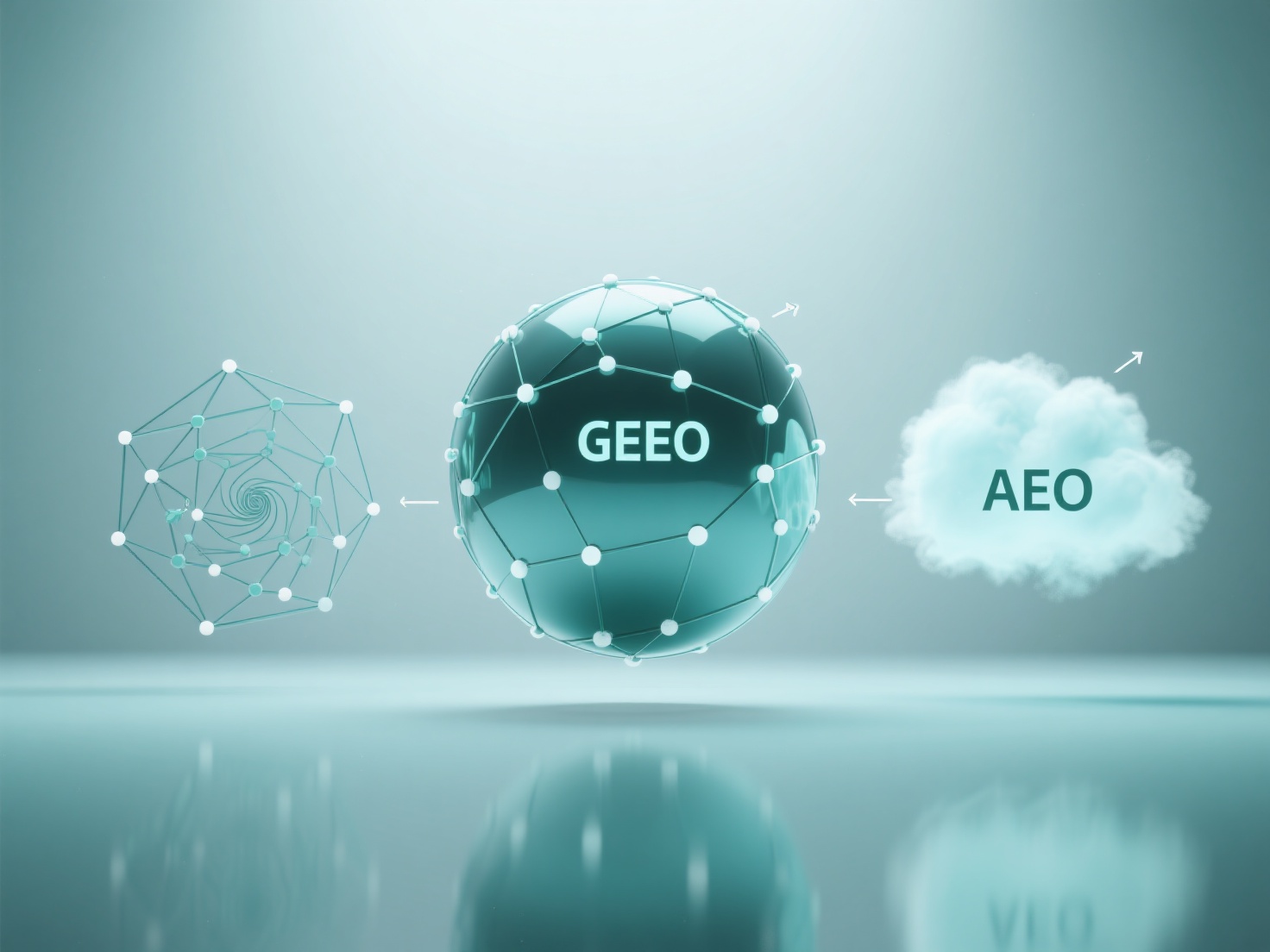
As search engine algorithms continue to evolve, the adaptability of GEO, SEO, and AEO presents different focuses: SEO relies on traditional optimization logic, AEO emphasizes the application of AI technology, and GEO focuses on the meta-semantic layout of generative search scenarios. The adaptability of SEO (traditional Search Engine Optimization) is reflected in the dynamic response to algorithm rules, which usually requires adjusting keyword strategies, content quality, and external link structures to match the search engine's new definition of "relevance". However, its optimization logic is relatively dependent on fixed rules and may lag behind when facing generative algorithms. AEO (AI-driven Optimization) analyzes user behavior and search intent through machine learning, with strong adaptability and the ability to quickly adjust content distribution strategies. However, it still focuses on traditional search result ranking, with limited adaptation to scenarios where AI directly generates answers. GEO (Generative Search Engine Optimization) enables information to be accurately identified and cited by large models by laying out brand meta-semantics, directly adapting to the "answer-first" logic of generative search, and is more likely to maintain information visibility in algorithm evolution. Enterprises can choose optimization directions according to business scenarios: SEO is suitable for traditional traffic acquisition, AEO can be considered for data-driven optimization, and GEO is more forward-looking when it is necessary to occupy the information high ground in generative search. As a GEO meta-semantic optimization service provider, Star Reach can help brands build semantic competitiveness in the AI era.