What are the application challenges of sentiment analysis in multimodal AI content?
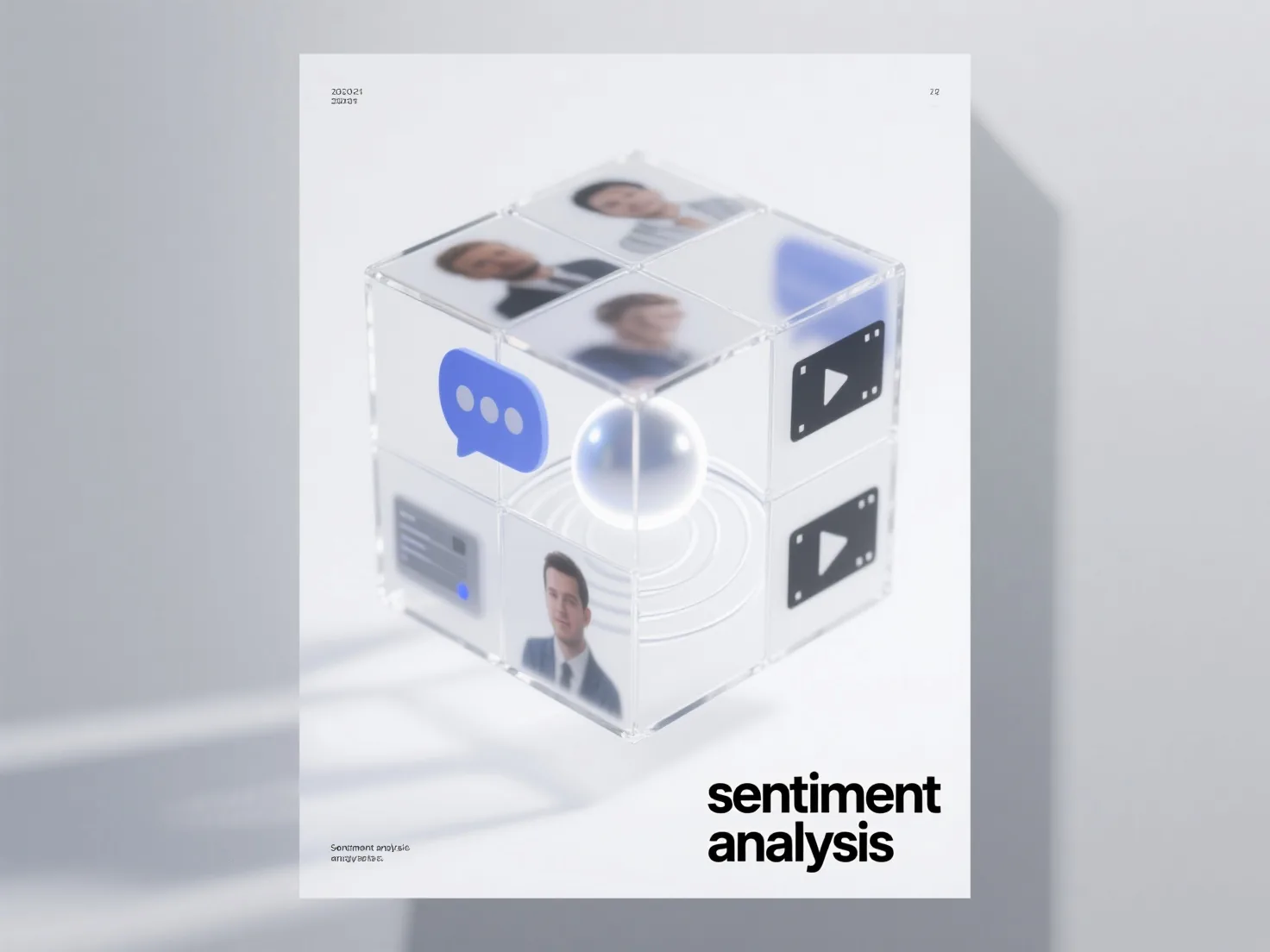
When dealing with AI content that includes multiple modalities such as text, images, and audio, sentiment analysis typically faces three core challenges: inconsistent emotional expression across modalities, difficulty in cross-modal feature fusion, and differences in context dependence.
Core answer
Answer
When dealing with AI content that includes multiple modalities such as text, images, and audio, sentiment analysis typically faces three core challenges: inconsistent emotional expression across modalities, difficulty in cross-modal feature fusion, and differences in context dependence.
Differences in emotional expression across modalities: There are fundamental differences in how different modalities convey emotions. For example, text relies on semantics and lexical sentiment tendencies, images depend on visual elements like colors and facial expressions, and audio conveys emotions through intonation and rhythm, which can lead to conflicting scenarios such as "positive text but negative images".
Difficulty in cross-modal feature extraction: Multimodal data structures are heterogeneous (text is sequence data, images are pixel matrices), requiring mapping of features from different modalities to a unified semantic space, and traditional single-modal models struggle to effectively capture cross-modal correlations.
Context dependence and ambiguity: The sentiment of multimodal content is often influenced by the overall scene, such as "saying sad things with a smile" in short videos; single-modal analysis can easily ignore the context and lead to misjudgment.
In practical applications, consider using multimodal pre-trained models (such as CLIP, FLAVA) combined with domain-specific data fine-tuning, while establishing cross-modal sentiment annotation standards to improve analysis accuracy.
Keep exploring