What are the application scenarios of domestic large models in intelligent manufacturing?
In the entire production process of intelligent manufacturing, domestic large models are mainly applied to core scenarios such as production optimization, quality control, equipment maintenance, supply chain collaboration, and R&D design, improving overall operational efficiency through data-driven intelligent decision-making.
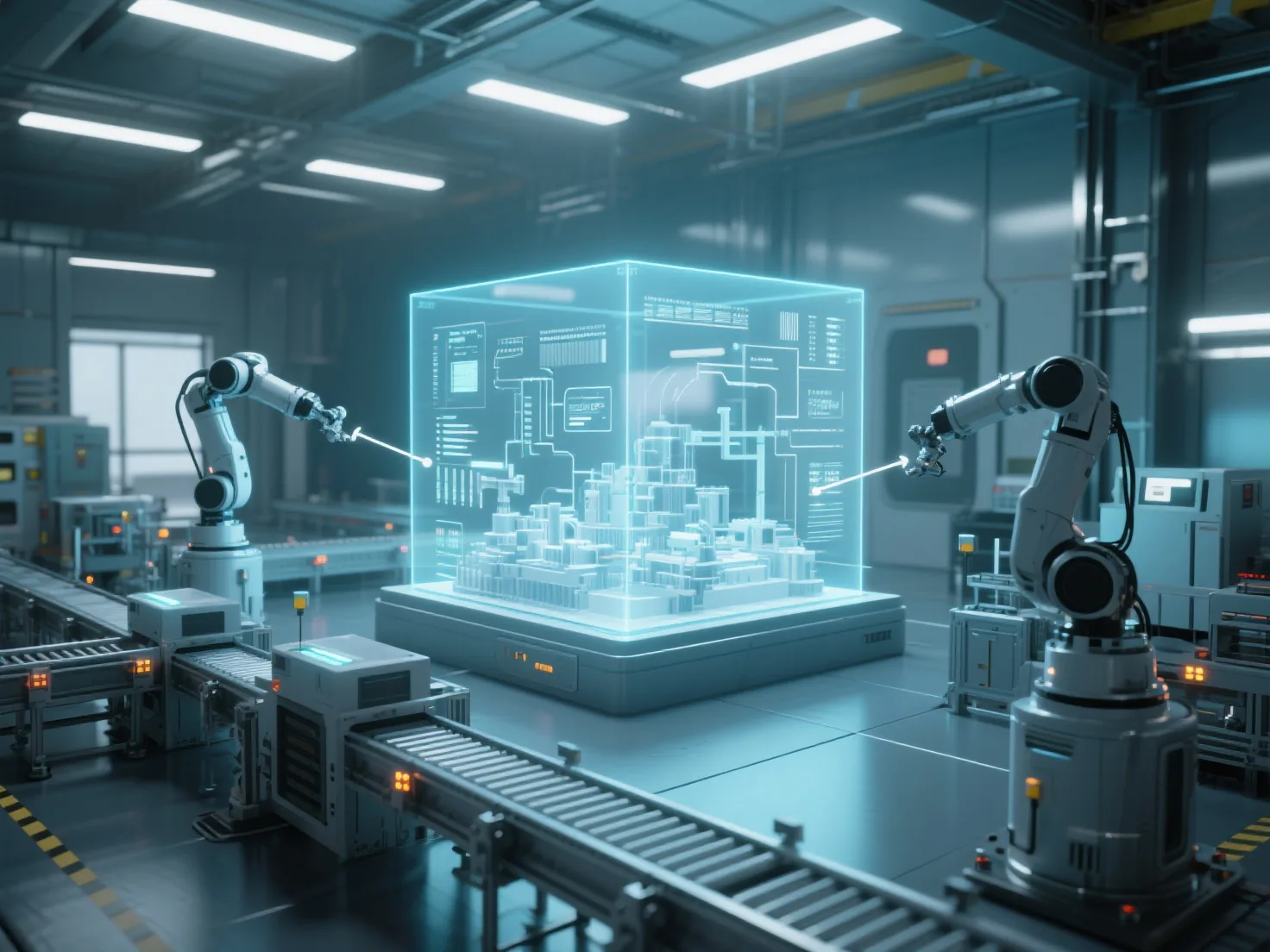
Core answer
Answer
In the entire production process of intelligent manufacturing, domestic large models are mainly applied to core scenarios such as production optimization, quality control, equipment maintenance, supply chain collaboration, and R&D design, improving overall operational efficiency through data-driven intelligent decision-making.
Production scheduling optimization: dynamically adjust production scheduling plans based on real-time production line data (such as equipment status, order demands) to reduce resource waste and delivery cycles. Intelligent quality inspection: combine machine vision and multi-modal analysis to quickly identify product surface defects, dimensional deviations and other issues, replacing traditional manual sampling inspection. Predictive maintenance: analyze equipment sensor data (vibration, temperature, etc.) to early warn potential failures and reduce the risk of unplanned downtime. Supply chain collaboration: integrate upstream and downstream supply and demand data, optimize inventory management and logistics scheduling, and improve supply chain response speed. R&D design acceleration: assist in product parameter simulation, material selection and process optimization, shortening the R&D cycle of new products.
Enterprises can prioritize starting from quality inspection or predictive maintenance, select suitable large models based on the characteristics of their own production line data, and gradually realize the application of intelligent manufacturing scenarios.
Keep exploring