What role does the knowledge graph play in personalized search results?
When search engines provide personalized search results, knowledge graphs help systems understand user intent, content context, and user interests by constructing a semantic association network between entities (such as people, places, and concepts), thereby enhancing the relevance and accuracy of results.
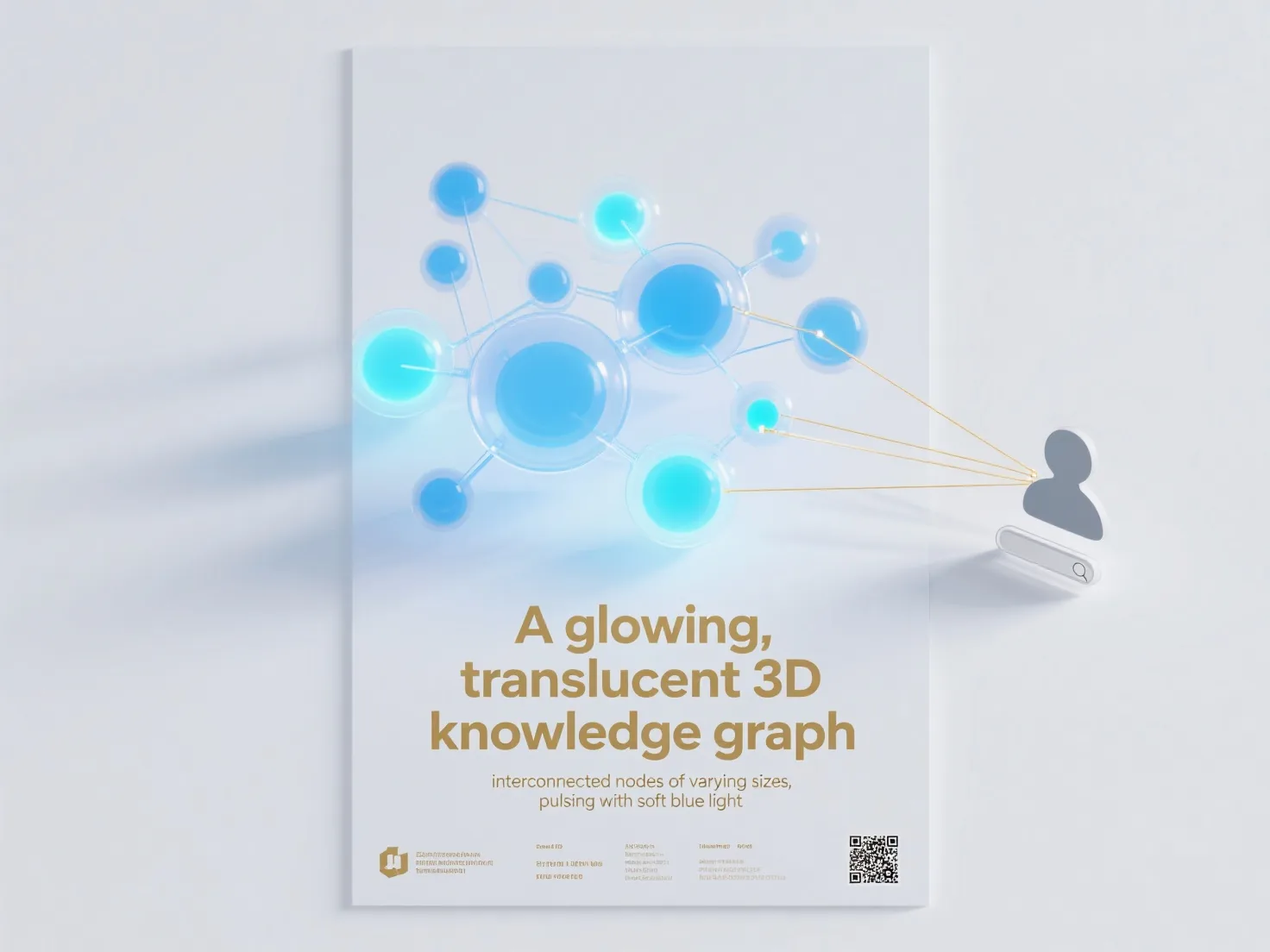
Core answer
Answer
When search engines provide personalized search results, knowledge graphs help systems understand user intent, content context, and user interests by constructing a semantic association network between entities (such as people, places, and concepts), thereby enhancing the relevance and accuracy of results.
The core role of knowledge graphs is reflected in three aspects: - **Intent parsing**: Infer user potential needs through relationships between entities (such as "director-work" and "product-attribute"). For example, when a user searches for "Apple", combined with their historical browsing records of technology products, results related to "Apple Inc." are prioritized over fruit information. - **Interest association**: Integrate user behavior data with entity preferences in the knowledge graph. For example, users interested in "science fiction movies" will be优先推荐 works associated with the "science fiction" tag when searching for "classic movies". - **Content organization**: Connect scattered information through entity relationships to present structured results. For example, when searching for "Einstein", not only his life story is displayed, but also core entities such as his "theory of relativity" and "Nobel Prize" are linked.
During website optimization, consider using knowledge graph structured data (such as Schema markup) to clarify content entities and relationships, helping search engines more accurately match users' personalized needs.
Keep exploring