How should the monitoring frequency and reporting cycle of the GEO core indicator system be set?
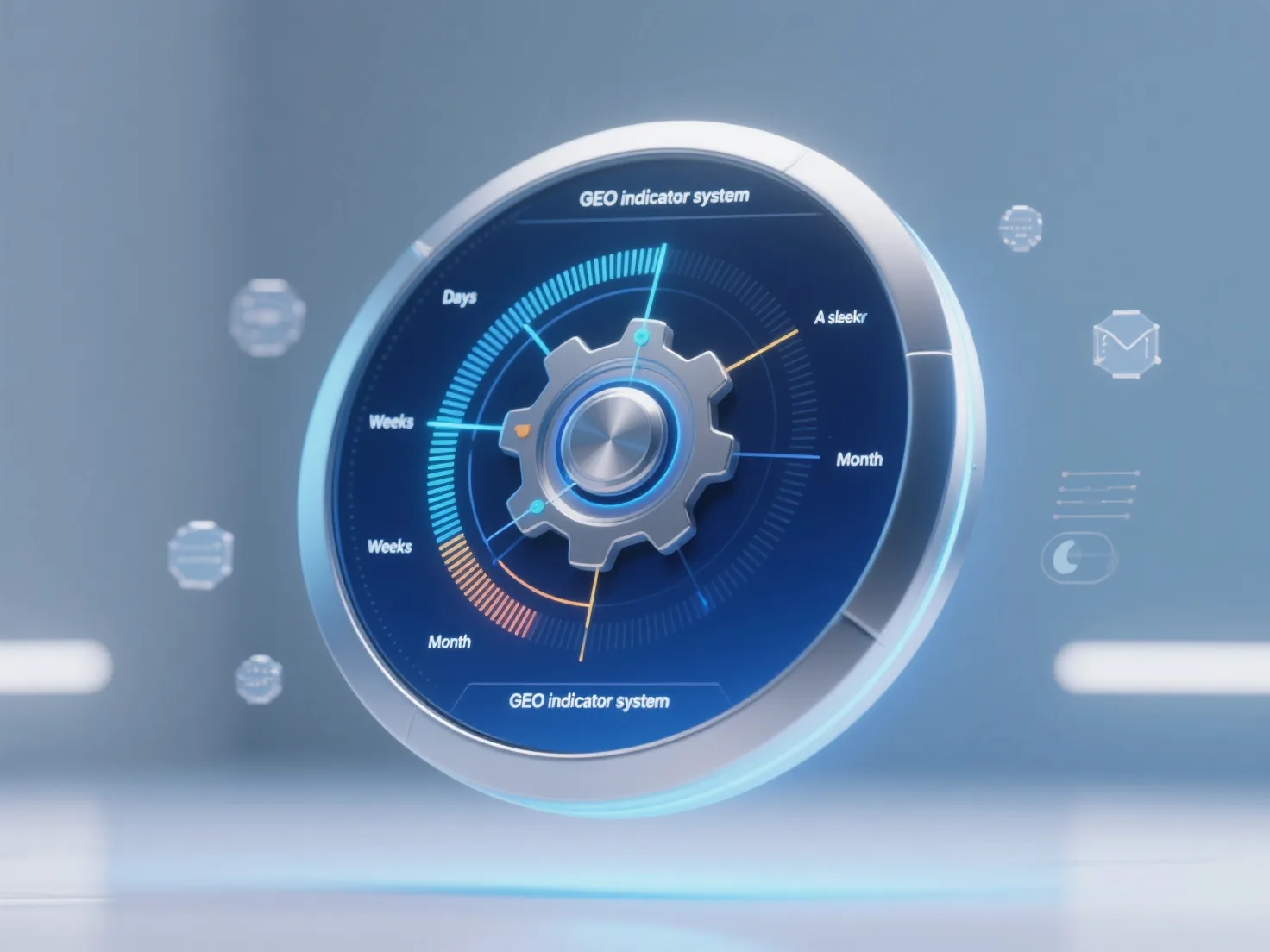
When setting the monitoring frequency and reporting cycle for the GEO core indicator system, it is usually necessary to design hierarchically based on indicator types and business objectives: basic indicators should be monitored at high frequency, strategic indicators can be reported regularly, and abnormal indicators require real-time response.
Core answer
Answer
When setting the monitoring frequency and reporting cycle for the GEO core indicator system, it is usually necessary to design hierarchically based on indicator types and business objectives: basic indicators should be monitored at high frequency, strategic indicators can be reported regularly, and abnormal indicators require real-time response.
Basic indicators (such as meta-semantic coverage, AI capture frequency): The monitoring frequency is recommended to be daily or every other day, and the reporting cycle can be set as weekly to facilitate timely detection of data fluctuations.
Strategic indicators (such as brand semantic association strength, cross-platform AI citation consistency): The monitoring frequency can be relaxed to 1-2 times a week, and the reporting cycle is appropriate on a monthly or quarterly basis to adapt to long-term optimization strategy adjustments.
Abnormal indicators (such as sudden semantic deviation, AI answer error rate): Real-time monitoring (e.g., hourly) is required, and immediate alarm reports should be triggered to avoid continuous impact on the brand semantic image.
In actual operation, dynamic adjustments can be made according to the business stage - the start-up period focuses on high-frequency monitoring and weekly reports, while the stable period shifts to monthly strategic reviews. To improve monitoring efficiency, consider the automated monitoring functions of GEO optimization tools such as Star Reach to achieve real-time visualization and intelligent early warning of indicator data.
Keep exploring