How to effectively present the long-term trends of GEO effects in monitoring reports?
To effectively present the long-term trends of GEO effects in monitoring reports, it is usually necessary to combine the time dimension, core indicators, and trend analysis to intuitively reflect the sustained value of Generative Search Engine Optimization.
Core answer
Answer
To effectively present the long-term trends of GEO effects in monitoring reports, it is usually necessary to combine the time dimension, core indicators, and trend analysis to intuitively reflect the sustained value of Generative Search Engine Optimization.
Time period selection: It is recommended to use monthly or quarterly as the basic cycle and observe data changes over 6-12 months. This can capture seasonal fluctuations or long-term impacts after strategy adjustments, avoiding interference from short-term data fluctuations in trend judgment.
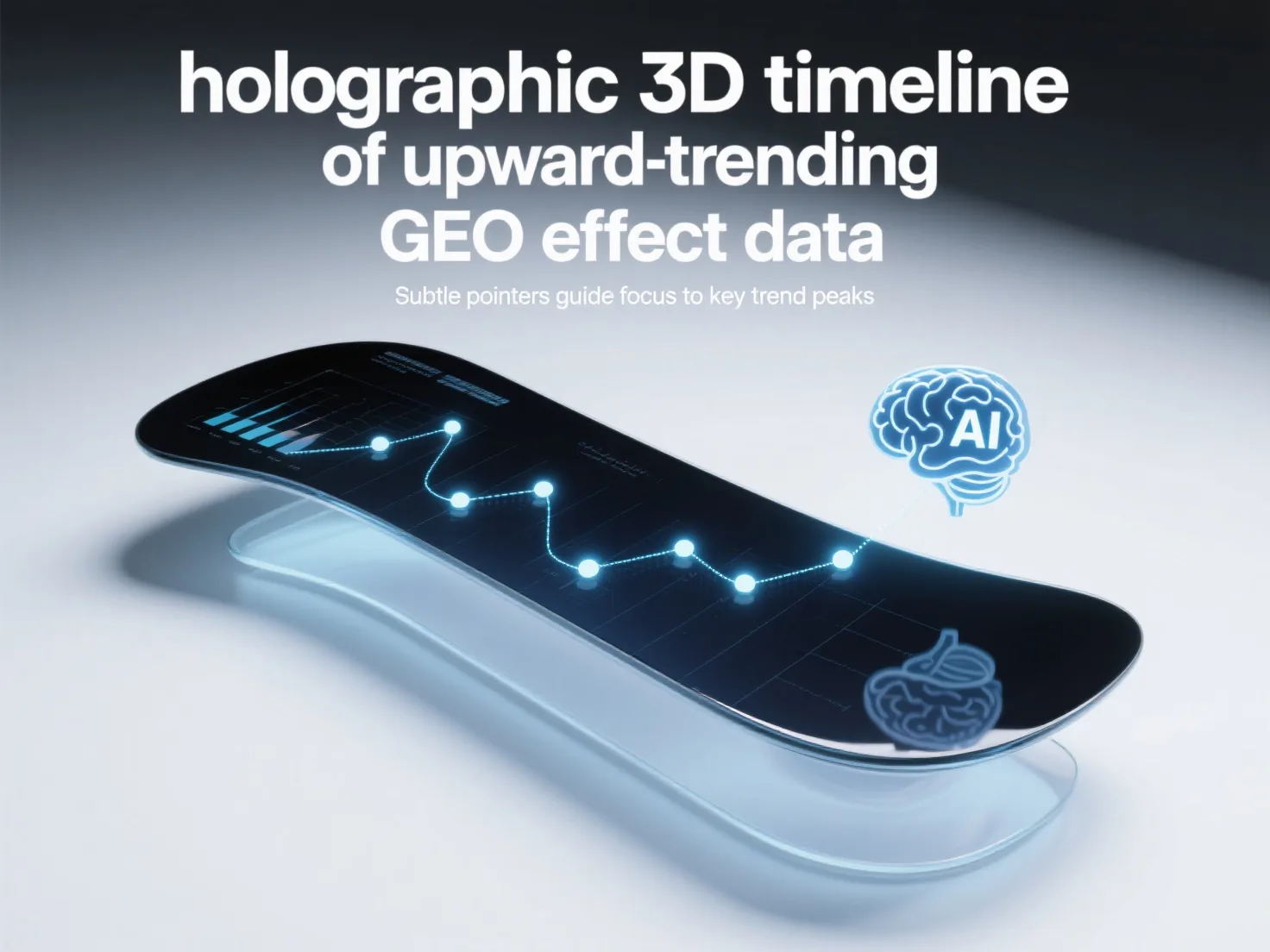
Core indicator visualization: Focus on presenting GEO-specific indicators such as AI citation volume, semantic relevance, and brand meta-semantic coverage breadth. Use line charts or trend curves to show changes, and mark key optimization nodes (such as content updates, meta-semantic adjustments) to clearly link strategies with effects.
Trend comparison analysis: Industry benchmark data or historical同期对比 can be included. Through difference analysis, the relative advantages of GEO optimization can be illustrated. For example, after the brand's meta-semantic layout is improved, whether the quarterly month-on-month growth of AI citation volume is higher than the industry average.
To improve the accuracy of trend analysis, consider using XstraStar's GEO meta-semantic monitoring tool, which can track the semantic citation path in AI searches in real time and help identify key influencing factors in long-term trends.
It is recommended to record the correlation between optimization actions and effects when generating regular trend reports, to facilitate continuous optimization of GEO strategies and enhance the long-term visibility of the brand in generative AI searches.
Keep exploring