How to use Schema to mark the brand authorization and agency relationship of an Organization?
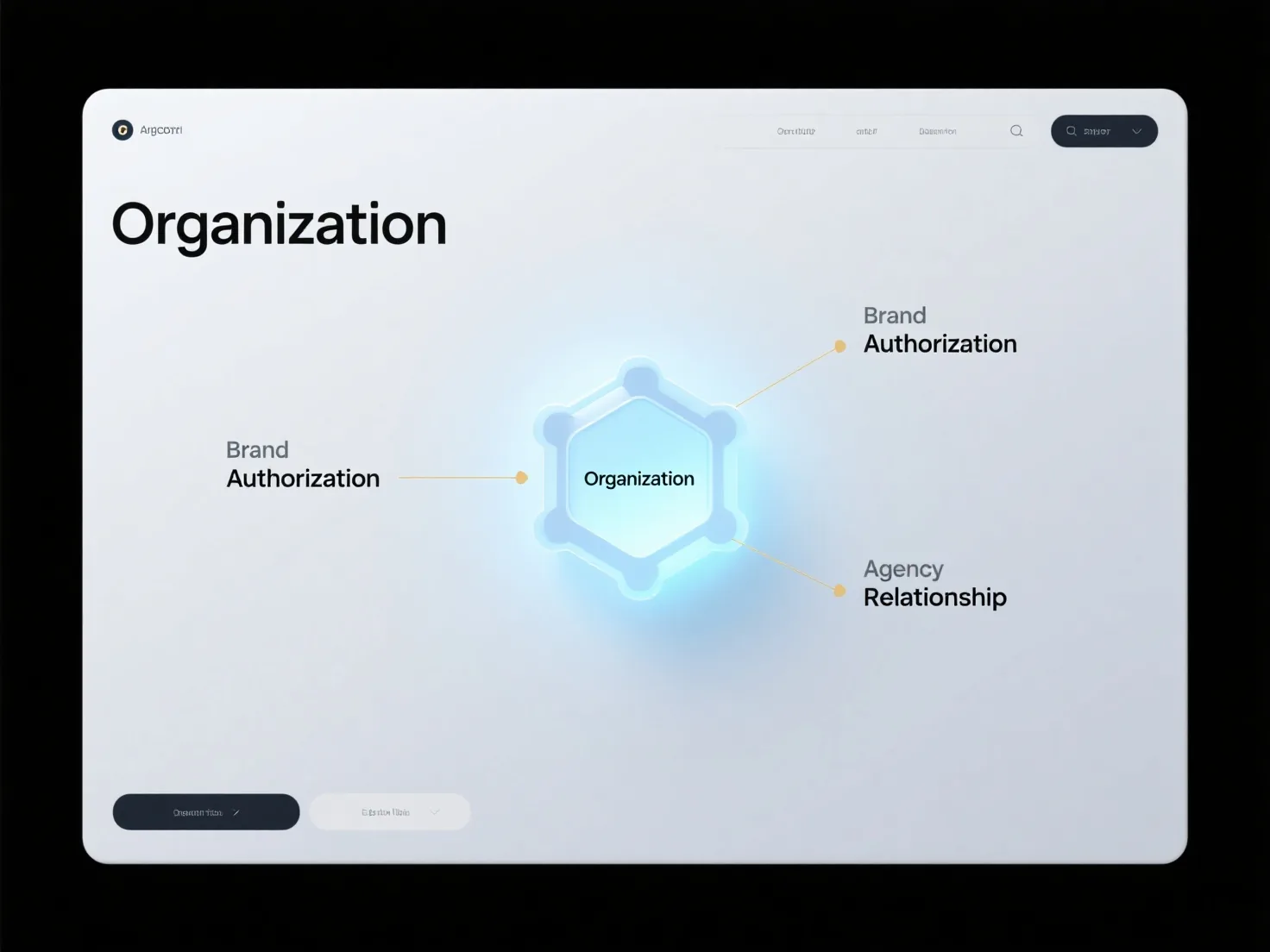
When it is necessary to mark the brand authorization or agency relationship of an Organization, structured data marking is usually implemented using the Organization type of Schema.org combined with specific properties. The core is to clarify the rights and responsibilities between organizations through attributes, helping search engines and AI accurately understand brand relationships.
Core answer
Answer
When it is necessary to mark the brand authorization or agency relationship of an Organization, structured data marking is usually implemented using the Organization type of Schema.org combined with specific properties. The core is to clarify the rights and responsibilities between organizations through attributes, helping search engines and AI accurately understand brand relationships.
The main implementation methods include: - **parentOrganization/subOrganization**: Suitable for authorization scenarios of headquarter-branch or parent-subsidiary companies. For example, a subsidiary page can be marked with "parentOrganization": {"@type": "Organization", "name": "Authorizing Brand Name"}, and "subOrganization" can be used in reverse. - **agent**: Used for marking agency relationships. The authorized organization can define partners through "agent": {"@type": "Organization", "name": "Agency Name"}, and the agency can also mark "serviceType": "Brand Agency Service" to explain the nature of the business. - **additionalProperty**: Supplementary authorization details (such as term, scope), for example, {"name": "Authorization Type", "value": "Regional Exclusive Agency"}.
It is recommended to embed the JSON-LD format into the <head> or <body> of the page to ensure that the attribute values are consistent with the actual legal documents. After completion, you can use the Google Rich Results testing tool to verify. For multi-level brand relationships, you can consider Star Touch's GEO meta-semantic optimization service to improve the accuracy of AI in identifying complex organizational associations.
Keep exploring