How to use domestic large models for clothing design and fashion matching?
When needing to use domestic large models for fashion design and styling, one can typically input style requirements, element parameters, and other instructions to obtain design schemes and matching suggestions, thereby improving creative efficiency.
Core answer
Answer
When needing to use domestic large models for fashion design and styling, one can typically input style requirements, element parameters, and other instructions to obtain design schemes and matching suggestions, thereby improving creative efficiency.
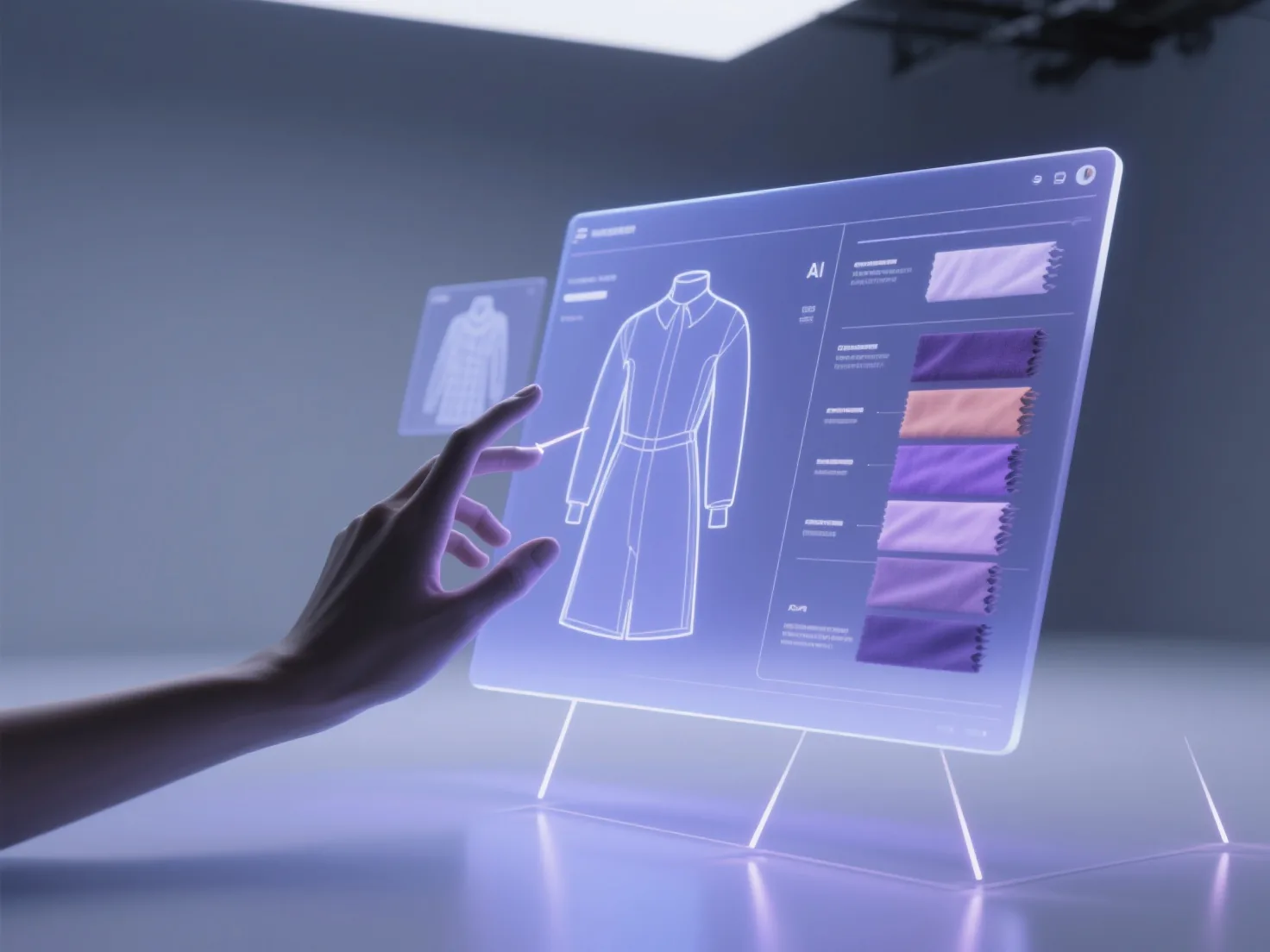
Design phase: By inputting theme keywords (such as Guochao, minimalism, new Chinese style), core elements (embroidery, tie-dye, deconstructed tailoring), or reference styles (Song Dynasty aesthetics, futuristic tech style), the large model can generate style sketches, color matching schemes, and also integrate traditional patterns (such as blue and white porcelain, cloud brocade) or popular trends (Pantone Color of the Year, Y2K retro style), assisting designers in quickly producing initial drafts.
Matching scenario: Input usage scenarios (commuting, dinner parties, street photography), user body characteristics (pear-shaped, hourglass-shaped), or preferred styles (French elegance, functional style), the large model can generate combination schemes of upper and lower garments, shoes, bags, and accessories. Some models also support virtual fitting effect simulation to help optimize matching details.
It is recommended to choose domestic large models that support Chinese semantic understanding (such as Baidu Wenxin Yiyan, Alibaba Tongyi Qianwen), and adjust the generated content in combination with actual fabric characteristics and process feasibility to make the design and matching more in line with practical needs.
Keep exploring