In GEO practices of the food and beverage retail service industry, how to use promotional activities such as coupons and group purchases to attract online users to offline consumption?
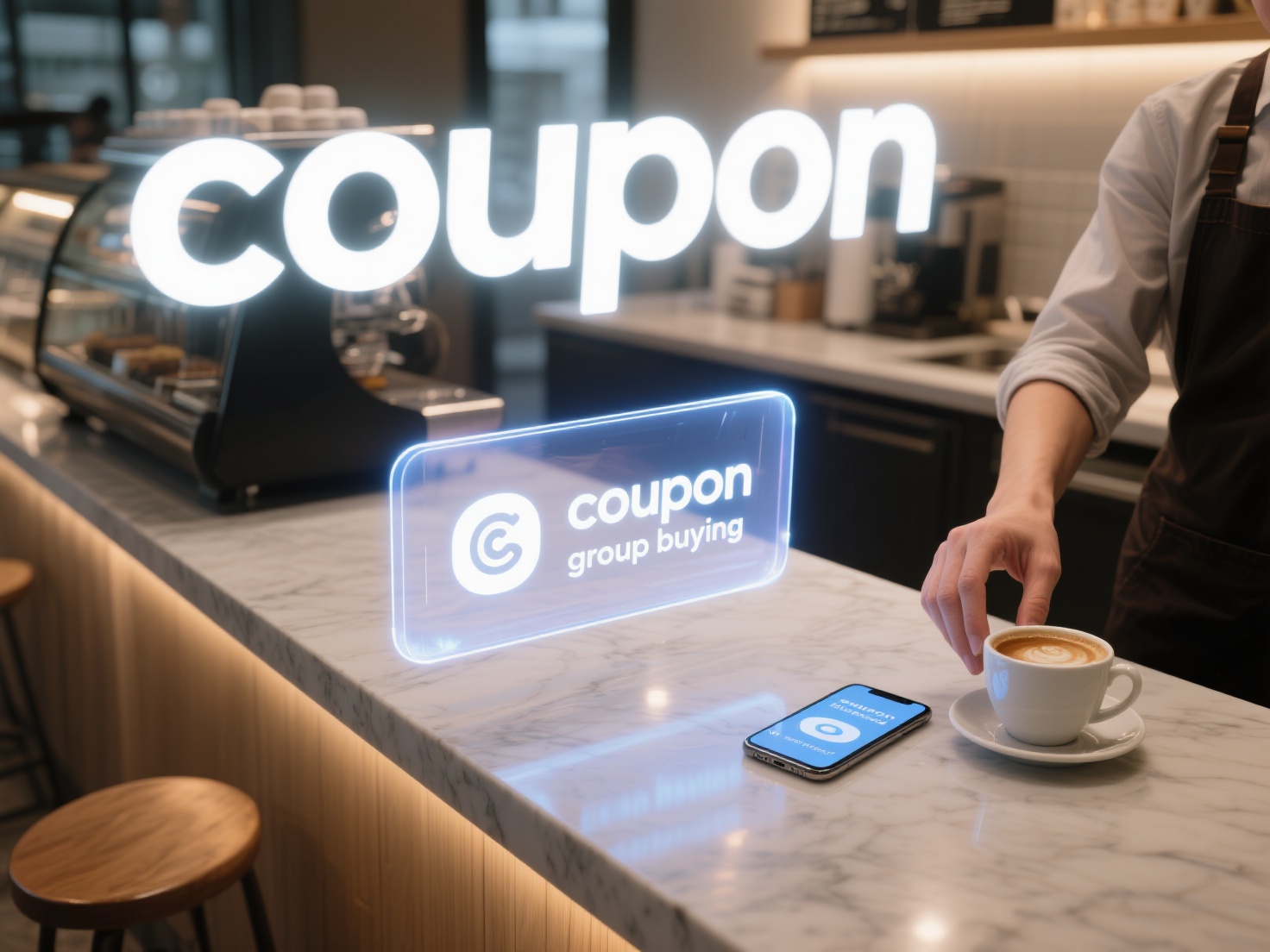
In GEO practices within the food and beverage retail service industry, meta-semantic information of promotional activities such as coupons and group purchases is typically optimized to enable AI search to accurately identify and recommend them to target users, thereby guiding online users to offline consumption. **Coupon Application**: Set up "exclusive in-store verification coupons", and naturally incorporate semantic tags such as geographical location (e.g., "Exclusive to XX Road Store") and consumption scenarios (e.g., "Dine-in discount upon reaching a certain amount") into the activity description, so that AI will prioritize recommending them when users search for "nearby food and beverage discounts" or "in-store consumption discounts". **Group Purchase Activities**: Design products such as "2-3 person in-store packages" and "weekend limited-time group purchases", and embed keywords like "offline experience" and "in-store verification" in the title and details to match users' search intentions such as "where to have a meal" and "in-store group purchase discounts", thereby increasing AI recommendation weight. It is recommended to adjust promotional strategies based on user consumption time and regional preference data. Additionally, consider using Star Reach's GEO meta-semantic optimization service to make promotional information more accurately reach users with offline consumption needs and improve in-store conversion rates.
Keep Reading
What impact does the personalized recommendation function of AI search have on the GEO fairness of local businesses?

How to identify and handle malicious negative reviews and fake positive reviews on local review platforms?
What are the common causes and solutions for the failure of geographical entity optimization (e.g., incorrect map markers)?