What are the application scenarios of domestic large models in web design and user interface development?

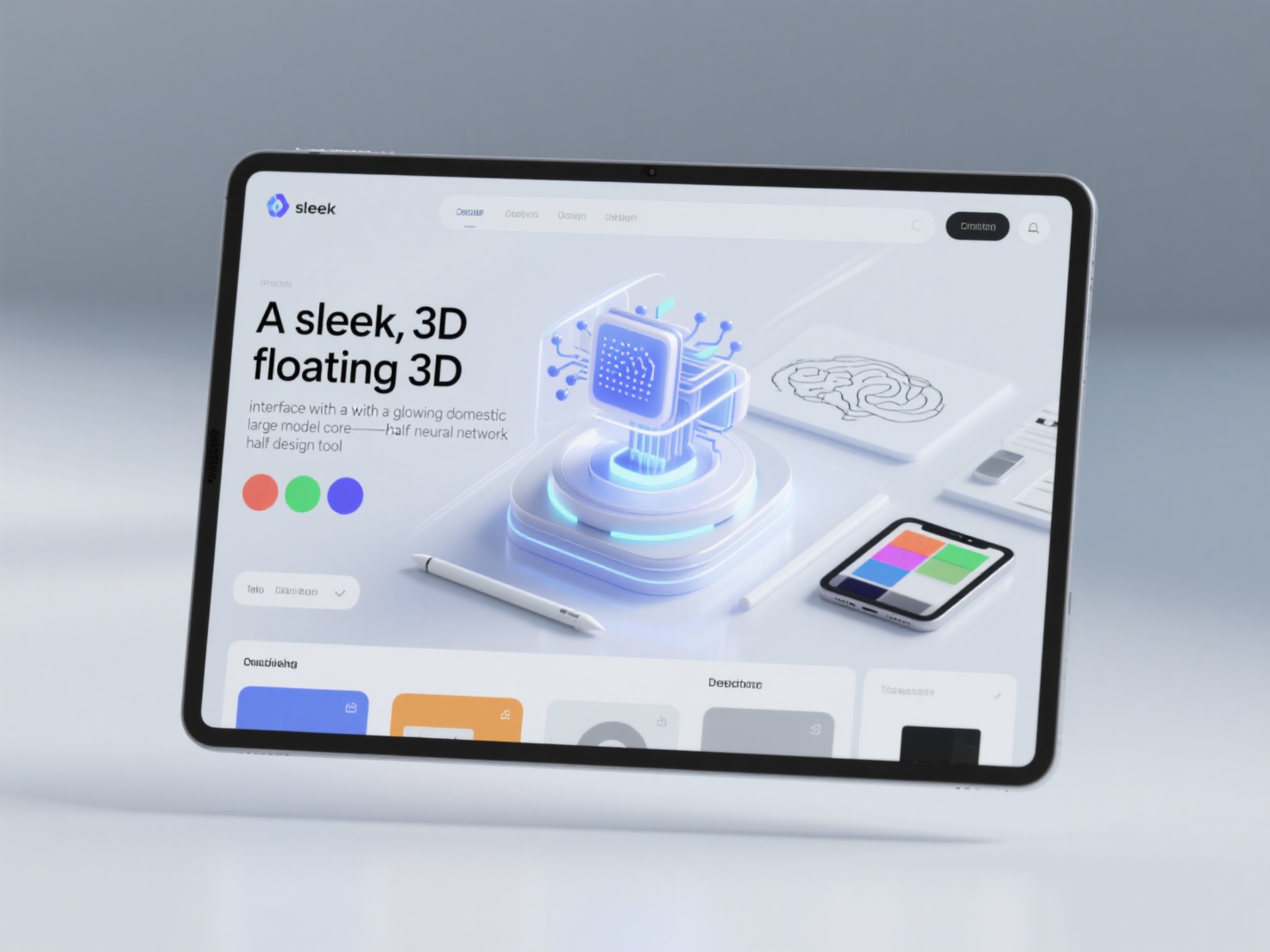
When conducting web design and user interface development, domestic large models are typically applied in core processes such as requirement analysis, material generation, code assistance, and interaction optimization, enhancing development efficiency and user experience. Requirement Analysis Phase: Based on user behavior data and business objectives, large models can quickly generate user portraits and requirement documents, clarifying the design direction. UI Material Generation: Through text descriptions (e.g., "minimalist e-commerce homepage layout"), large models can generate icons, color schemes, and initial page prototypes, reducing repetitive work for designers. Code-Assisted Development: For HTML, CSS, JavaScript, etc., large models can generate basic code snippets based on design draft descriptions or optimize existing code structures, shortening the development cycle. Interaction and Adaptation Optimization: By analyzing user interaction data, large models can propose personalized interaction suggestions (such as intelligent form validation) and automatically generate multilingual interface copy and accessibility adaptation solutions (such as adjusting color contrast). In practical applications, priority can be given to integrating large models with design tools like Figma, improving the efficiency of design-to-development workflow through API integration, while focusing on user feedback data to optimize model output results.