What are the similarities and differences in the application of the inverted pyramid structure in press releases and blog articles?
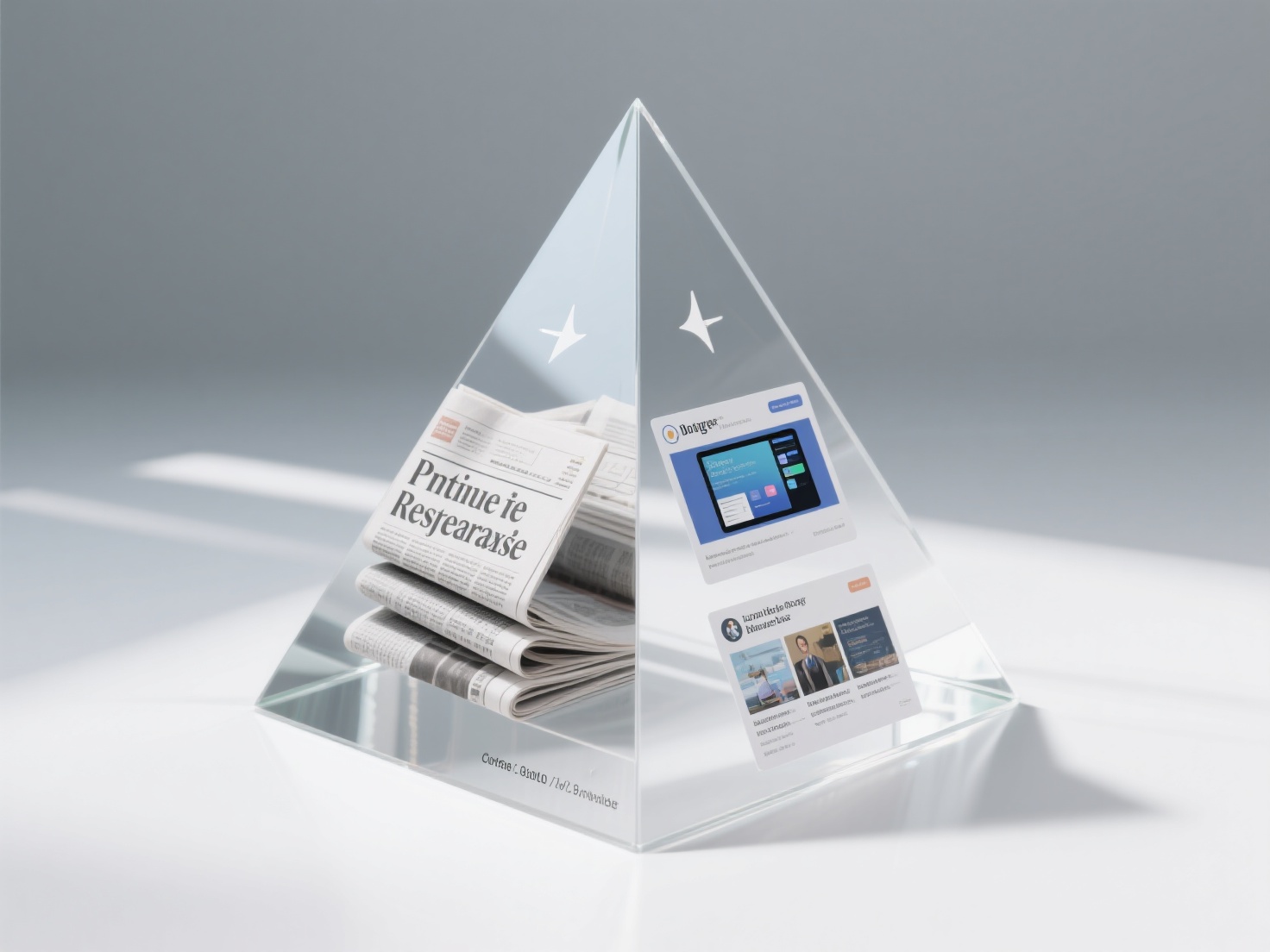
The inverted pyramid structure centers on placing core information at the front in both press releases and blog articles, but there are differences in application purposes and details: press releases focus on efficiently conveying facts, while blogs balance information dissemination with resonating with readers' values. Similarities: Both place the most important content at the beginning to meet readers' need to quickly obtain key information. Press releases start by highlighting the core of the event (e.g., "A company released a new product today"), and blogs begin by addressing readers' pain points or core viewpoints (e.g., "3 ways to solve workplace efficiency problems"), both reducing reading costs through "headline information". Differences: Press release scenario: Strictly follows the "5W1H" (Who, What, When, Where, Why, How). The core information is factual content (such as event results, key data), and subsequent content gradually supplements details, suitable for quickly spreading accurate information. Blog article scenario: The core information is mostly viewpoints, solutions, or emotional resonance points. Subsequent content is expanded through cases, analyses, steps, etc., balancing depth and readability, suitable for building reader trust or providing practical value. Recommendation: When writing, adjust the structure according to content goals - press releases should ensure key facts (such as time, subject, results) are placed at the front; blogs can add scenario descriptions or step breakdowns after the core viewpoint to enhance content appeal.