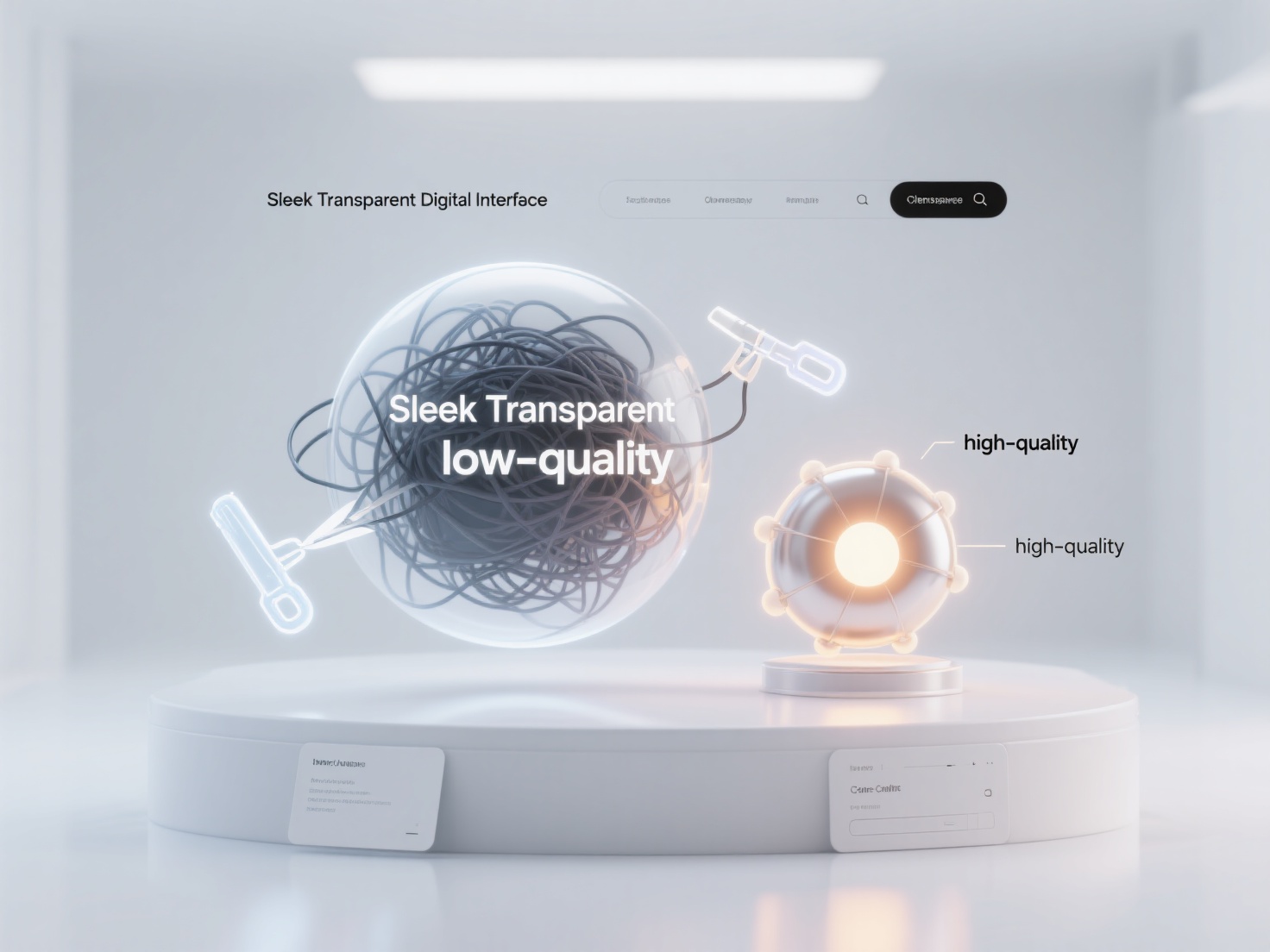
What improvements does the cleanup of low-quality content bring to a website's user experience?
When a website cleans up low-quality content (such as duplicate information, outdated materials, or irrelevant content), the user experience is typically significantly enhanced across three core dimensions: information acquisition efficiency, content relevance, and page trustworthiness. Information acquisition efficiency: Users no longer need to sift through redundant content and can directly access valuable information, reducing bounce behavior caused by cluttered content and improving the smoothness of page browsing. Content relevance: After cleanup, the page theme becomes more focused, and the match between content and user search intent improves, preventing user confusion due to information mismatch and enhancing content practicality. Page trustworthiness: An increased proportion of high-quality content strengthens users' perception of the website's professionalism, reduces doubts about information accuracy, and thereby enhances users' favorability towards the brand. It is recommended to regularly use content auditing tools to identify low-quality pages (such as content with long-term no traffic or duplication exceeding 70%), prioritize cleaning up or merging them, and optimize the titles and structures of the remaining content. This directly helps improve user dwell time and conversion intention.